- Have any questions?
- 051 6112414
- 0331 2220247 | 0334 5510161
- info@psychcaretherapy.com


Understanding Trauma: A Wound You Can’t See, A Healing You Can Begin

When Your Mind Won’t Stop Talking: Unpacking the Puzzle of Anxiety
May 9, 2025
Unlocking Mental Wellness: The Full Range of Services at PsychCare
June 28, 2025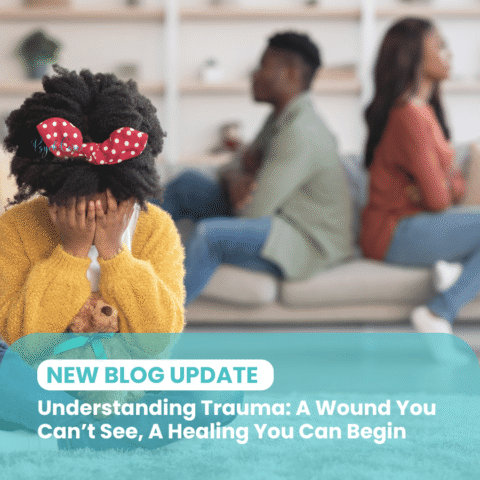
We often hear the word “trauma” tossed around in everyday conversations—used to describe anything from childhood hardships to bad breakups or medical emergencies. But what exactly is trauma? Why does it affect people so differently? And most importantly, how can we truly heal from it?
At PsychCare, we believe in offering not just treatment—but understanding, validation, and hope. This blog explores what trauma really is, its hidden impacts, and the road to healing through therapy and compassionate care.
What Is Trauma?
Trauma is not just what happens to you—it’s what happens inside you as a result of what happens to you.
Trauma refers to a deeply distressing or disturbing experience that overwhelms your ability to cope. It can shake your sense of safety, distort your worldview, and leave behind emotional scars that linger long after the event is over. Trauma isn’t defined by the event itself but by your psychological response to it.
There are many forms of trauma:
- Acute Trauma: A single, overwhelming incident (e.g., a car crash, natural disaster, assault).
- Chronic Trauma: Repeated exposure to distress (e.g., domestic abuse, childhood neglect, ongoing bullying).
- Complex Trauma: Multiple traumatic events, often interpersonal, occurring over time and typically during early development.
- Developmental Trauma: Disruptions in early attachment and safety during formative years, even in the absence of visible abuse.
Common Causes of Trauma
While trauma is often associated with war, abuse, or natural disasters, it can stem from various life experiences, including:
- Losing a loved one suddenly
- Witnessing violence
- Medical emergencies or invasive treatments
- Emotional neglect during childhood
- Being raised in an unpredictable or unsafe environment
- Experiencing betrayal in intimate relationships
- Accidents, falls, or physical injuries
- Living in a war zone or conflict area
- Systemic discrimination or marginalization
Importantly, two people can go through the same event—one may develop trauma, while the other may not. Trauma is subjective and personal, shaped by a person’s history, support systems, and psychological resilience.
Signs and Symptoms of Trauma
Trauma doesn’t always show up as flashbacks or nightmares. Sometimes it hides in everyday experiences, in the way you react, connect, or even breathe.
Emotional Symptoms:
- Intense fear, anxiety, or helplessness
- Guilt, shame, or self-blame
- Mood swings and irritability
- Numbness or emotional disconnection
- Difficulty trusting others
Cognitive Symptoms:
- Confusion and difficulty concentrating
- Memory lapses
- Intrusive thoughts
- Negative beliefs about self and world
Physical Symptoms:
- Sleep disturbances or nightmares
- Fatigue and chronic pain
- Gastrointestinal issues
- Rapid heartbeat or shallow breathing
Behavioral Symptoms:
- Avoidance of reminders
- Hypervigilance or jumpiness
- Isolation or withdrawal
- Substance use or self-harming behavior
The Hidden Cost of Untreated Trauma
Trauma left unaddressed can seep into every part of your life—relationships, work, health, and self-worth. It’s like a silent virus running in the background, disrupting peace, intimacy, and fulfillment.
In relationships, trauma may show up as clinginess or emotional distance, fear of abandonment, people-pleasing, or difficulty setting boundaries.
In parenting, it might appear as emotional unavailability, harsh reactions, or repeating generational patterns unknowingly.
In workspaces, trauma may reduce performance, fuel burnout, or lead to absenteeism due to anxiety, mistrust, or conflict avoidance.
Why Therapy Matters: You Don’t Have to Do This Alone
At PsychCare, we say this with certainty—healing is possible. It’s not about forgetting what happened, but about learning to live fully despite it.
Trauma-informed therapy offers a safe, nonjudgmental space to unpack, process, and make sense of what happened. Our therapists are trained to hold space for your pain, meet you where you are, and walk beside you through your journey.
Key therapeutic approaches we use include:
1. Cognitive Behavioral Therapy (CBT):
Helps reframe unhelpful thought patterns, challenge cognitive distortions, and develop coping strategies.
2. Trauma-Focused CBT (TF-CBT):
Especially helpful for children and adolescents, it combines cognitive therapy with trauma-sensitive interventions.
3. Eye Movement Desensitization and Reprocessing (EMDR):
Reduces the distress linked to traumatic memories by using bilateral stimulation (like eye movements).
4. Eidetic Imagery:
A lesser-known but powerful technique used at PsychCare that accesses visual memory to heal trauma through symbolic and emotional exploration.
5. Hypnotherapy and NLP (Neuro-Linguistic Programming):
Used to tap into the subconscious mind and reprogram trauma-based responses.
6. Mindfulness-Based Interventions:
Teaches grounding, emotional regulation, and self-compassion through breathing and awareness exercises.
From Surviving to Thriving: What Healing Can Look Like
Healing from trauma doesn’t mean you’ll never feel triggered again—but it means the trigger won’t control you.
Some signs of recovery include:
- Feeling safer in your body and surroundings
- Improved emotional regulation
- Stronger boundaries in relationships
- A sense of purpose or meaning
- The ability to experience joy again
- Reclaiming your voice, agency, and choices
One of the most beautiful parts of healing is post-traumatic growth—the idea that you don’t just bounce back from trauma, you grow because of it.
A Client’s Perspective (Shared With Permission)
“When I first came to PsychCare, I wasn’t even sure if what I went through ‘counted’ as trauma. I felt like I was being dramatic. But my therapist never judged me. She helped me see how my childhood wounds were still shaping my adult choices. Through EFT and guided imagery, I learned how to be kinder to myself, and today, I don’t just survive—I live with more awareness and courage.”
— A former client at PsychCare
Healing Is Not Linear—And That’s Okay
Some days will feel heavier than others. Some triggers will still catch you off guard. But that doesn’t mean you’re broken or back to square one.
Healing is not about “getting over it.” It’s about integrating your story so that it no longer runs your life.
At PsychCare, we hold space for your messy middle—the grief, the silence, the rage, the relief. We offer compassionate therapy that honors your pace, your pain, and your potential.
When to Seek Help
If you or someone you know is experiencing:
- Persistent flashbacks or nightmares
- Difficulty functioning at work or in relationships
- Feeling emotionally numb or disconnected
- Panic attacks or chronic anxiety
- Suicidal thoughts or self-harm
…it may be time to seek professional help. Trauma therapy is not about reliving the pain—it’s about releasing it safely.
You Deserve to Heal
You are not weak for feeling overwhelmed. You are not attention-seeking for asking for help. And you are not alone—millions live with trauma, silently. But silence doesn’t have to be the end of your story.
At PsychCare, we are here to remind you: healing is possible. It takes time, trust, and the right therapeutic support—but you don’t have to do it alone. Whether you’re just realizing your experience was traumatic or you’ve carried it for years, know that there is a path forward.
Let us walk with you on that journey.