Depression
Depression is one of the most common mental health conditions, and yet it is one of the most misunderstood. Many people believe that those who suffer from depression are merely “sad”. This leads to messages that can be counterproductive and damaging. For example, people with depression are frequently told to “get over it”, that they shouldn’t be depressed because they have good lives, and that they are to blame for the way they feel.
The symptoms of depression include the following:
- A deep sense of sadness, hopelessness or desperation that is not necessarily tied to an identifiable cause
- Low self-esteem, poor confidence, and feelings of guilt and shame
- A lack of interest in previously enjoyable activities
- Sleeping or eating too much or too little
- Low energy levels and an inability to concentrate on the task at hand
- Physical symptoms include digestive problems, aches and pains, and a general feeling of being run-down

At PsychCare, our goal is to smash those myths about depression while helping you manage a condition that is very real and frightening. Depression can strike for any reason or no reason, and it can manifest in a variety of ways from one person to the next.
At PsychCare, we follow a compassionate, comprehensive approach to the treatment of depression that begins with listening. We provide a safe environment that cares. We understand that seeking help for depression is a big and sometimes scary step, and we know that it can be difficult to open up and talk to someone. We do not force anything – we will gently guide you as together, we explore the root causes behind your depression.
Whether your depression has resulted from addiction, abuse and trauma, childhood bullying, bereavement, illness or injury, or any other cause, we aim to help you find ways to lead a happy, productive and peaceful life.
Like all of our services, we offer depression treatment that is customized for your unique situation, challenges and needs. Not everybody responds to the same methodologies, and we will use the one that works for you. That may be psychotherapy, meditation, life coaching, mindfulness training, or any combination of these and other methods.
Your path to a happier, more peaceful life can start today. If you are struggling with depression, give us a call so we can help you.

Marital & Divorce Issues
Nobody goes into a marriage without the expectation that it will last forever, and when couples have difficulties, they usually make attempts to resolve them. This may involve counselling, trial separations and new patterns of behaviour. Unfortunately, in some cases, divorce is the only viable option. Just as people coming together have to make adjustments to their lives, so do those who have made the decision to part company. Many factors have to be considered, including the following:
- Care and custody of the children. This includes visitation rights, child support payments and decisions regarding education, spirituality and extracurricular pursuits.
- Distribution of assets. The couple has to decide who, if anyone, will continue to live in the family home. Vehicles, furniture, financial resources and other assets have to be divided.
- Physical safety. If one spouse has been abusive to the other, or to the children, protective orders restricting access may be in place.
- Social life. Many couples have mutual friends, some of whom may take sides.
While it is true that divorce often arises from the actions of one party, such as infidelity or abuse, in many cases, it is simply a result of the couple no longer being compatible. PsychCare can help couples proceed in a way that is beneficial to their emotional wellbeing and that of their children. At a time when many tough decisions have to be made, we can help you work through your feelings of anger, guilt, sadness or disappointment.
We also understand that special considerations have to be made for the children of couples who are divorcing. They are likely to feel varying combinations of sadness, anger, confusion and fear for the future that need to be addressed in a way that allows them to move forward. How children are affected depends on a variety of factors, including their ages, the circumstances surrounding the divorce, the presence of any special needs or medical issues, the nature of sibling relationships, and much more.
At PsychCare, we can help you work through marital issues in a caring, compassionate manner that benefits your whole family.
Emotion Management
Our emotions are a vital part of what makes us human. How we feel, process and express love, joy, sadness and compassion distinguishes us from one another and makes us unique. While one person might cry tears of joy at a loved one’s wedding, another may not shed a tear even on the saddest of occasions.
Emotion management is one of those things that we do not learn in a formalized setting. From the time we are very young, we observe the world around us, and learn how to manage our emotions by watching our parents, siblings and teachers. Toddlers who throw tantrums in grocery stores are not deliberately misbehaving, they simply have not yet acquired the skills to deal effectively with frustration, boredom or tiredness. Most of those toddlers grow up to become well-adjusted adults who know how and when it is appropriate to express emotion.
It is not that easy for everybody, though. Some people struggle to process emotions like anger, frustration and anxiety, and in severe cases, this can impede the individual’s ability to go to work or school, to maintain social and family relationships, and to perform normal daily activities.

Unfortunately, society has a tendency to negatively judge people with emotion management problems. At PsychCare, we recognize that these impairments can result from a number of factors, including the following:
- Medical conditions and the drugs used to treat them
- A history of trauma or abuse
- Mental illness and addiction
- Major life events, such as bereavement, job loss or relocation
- A predisposition toward empathy or anxiety
- Some individuals on the autism spectrum struggle with either emotional processing or expression
The therapists and counsellors at PsychCare do not treat emotion management problems by encouraging clients to suppress their emotions. Not only is emotional expression a normal part of life, it is necessary in order to achieve or maintain physical and mental health.
Instead, we will gently guide you in the following areas:
- We will help you become aware of what factors trigger the emotions that you experience intensely.
- We will help you find ways to control certain factors – for example, by telling loved ones what words and phrases trigger feelings of anxiety.
- We will encourage you to pay attention to your self-talk and avoid giving yourself unwarranted negative feedback.
- We will work with you to explore your thoughts and beliefs around feelings and emotions.
If emotion management is a painful area of your life, give us a call and we will help you move toward a life of greater confidence and contentment.

Obsessive Compulsive Disorder
Obsessive Compulsive Disorder (OCD) is an anxiety disorder characterized by unrealistic fears and repetitive, ritualistic behaviours that affect the individual’s ability to lead a normal life.
It is a difficult condition to live with: people who are affected often try to ignore their symptoms, but this leads to even higher levels of anxiety which, in turn, can escalate the repetitive behaviours.
Like most conditions, OCD manifests differently from one person to the next. The symptoms usually involve a combination of obsession and compulsion, but some people only experience one or the other.
In most cases, the early signs appear innocuous, but they escalate over time until the affected individual has trouble attending work or school, maintaining social relationships, and performing everyday activities.
What is an Obsession?
We all have thoughts, ideas or beliefs that preoccupy us. In most cases, we are able to manage those thoughts, either by ignoring them or by taking action on them. Obsessions go beyond the bounds of normal preoccupation. They are thoughts and ideas that persist to the extent of intruding on daily activities, and they do not go away in spite of repeated actions to mitigate them.
For example, many people worry about leaving the house with the stove turned on, even if they have not been cooking. They will go into the kitchen before they go out to ensure that everything is turned off and that the house is safe. With this done, they are able to go to work or school without further worry. Someone with an obsession, however, might get halfway to work and then decide to return home to check the stove a second, third or fourth time.
Some common obsessions include the following:
- The need to arrange clothing, books and other items alphabetically, by size or by colour
- A fear of germs and disease
- Needing constant reassurance that the water is not running or that the stove is turned off
- High levels of anxiety when an object does not fit a pattern, such as a piece of furniture not being perfectly lined up
What is a Compulsion?
All of us have personal rituals that we follow, either because they comfort us or because they make our lives easier. These rituals vary from person to person, and include following a specific sequence of activities at bedtime, or arranging the contents of a drawer or shelf in a particular way.
While these activities reduce anxiety in most of us, they add to the anxiety in people who suffer from compulsions. The more the individual engages in the action, the more they feel that they have to. These compulsive behaviours vary widely from person to person, but some of the more common ones include the following:
- Repeatedly sorting or arranging objects with extreme precision, and anger toward anyone who inadvertently breaks the pattern
- Washing hands until they are raw and bleeding
- Watching the same video segments again and again
- Constantly checking that doors are locked, and that the lights and water are turned off, even if this means returning home
- Silently repeating a word, phrase or pattern of numbers
At PsychCare, we recognize the anguish that goes with a condition like OCD. We are here to help you. Whether your symptoms are the result of a genetic predisposition to OCD, a response to trauma or abuse, or a manifestation of mental illness, our therapists and counsellors can help you discover ways to manage your symptoms and regain part of your life.
Panic Attacks
Anxiety is a normal part of life, even though it may feel uncomfortable. Under certain circumstances, a high level of anxiety may even be beneficial, since it results in our bodies preparing to either escape or fight a potentially dangerous situation. This is known as the “fight or flight” response.
Most of us have an innate ability to manage anxiety. We feel anxiety in context – for example, being late for an appointment will cause mild anxiety, while being chased by a would-be attacker would create much higher levels of anxiety. We are generally able to determine the cause of our stress and respond appropriately, and once the threat has subsided, the anxiety levels drop.
If you find that anxiety strikes for no discernible reason, that you feel stress that is disproportionate to the cause, or that your anxiety does not go away once the stressful situation has been dealt with, you might be experiencing panic attacks. These frightening episodes are often accompanied by shortness of breath, a tight chest, heart palpitations, clammy skin, and a feeling of terror.

The symptoms of panic attacks vary from one person to the next. Although this is a mental health condition, it does tend to come with very troubling – and potentially harmful – physical symptoms. These include the following:
- Increased heart rate and respiration
- Heart palpitations and a feeling of tightness in the lungs
- Insomnia and nightmares
- Digestive problems, such as vomiting and diarrhea
Other symptoms include restlessness, fear or nervousness that does not subside, trembling and an inability to concentrate.
While studies suggest a possible genetic link to panic disorder, there are a number of other possible causes. Examples include medical conditions and the drugs used to treat them, a history of trauma or abuse that is seen or experienced, stress from major life events such as bereavement or job loss, and the existence of other mental health conditions.
At PsychCare, we believe that nobody should have to live with the trauma of panic attacks. If you are struggling, we urge you to come and see us, so that we can get started on a treatment plan that is customized just for you. A happy, healthy life is just around the corner, and we look forward to helping you make those first steps to recovery.

Parenting Issues
There is no getting away from the fact that parenting is a challenge. No matter how many children you have, how old they are and how well-behaved they are, there are bound to be some obstacles along the way. These can have a far-reaching effect on the kids’ futures, their relationship with their parents, and the parents’ relationship with each other.
Many parents feel that they have to go it alone when it comes to parenting their children, but there is nothing wrong with getting some help during the difficult times. At PsychCare, we help those at all stages of parenting to lead balanced, healthy lives that are beneficial to themselves and their families.
There are those who might tell you that parenting gets easier as the children get older, but in reality, the sets of challenges merely evolve. New parents often feel overwhelmed as they face the responsibility of caring for a new baby. They are exhausted from lack of sleep. The mother is often in pain as a result of a C-section or vaginal ripping, and may face post-partum depression. In some societies, the respective value placed on mothers and fathers can place a strain on both parents.
While those problems do go away as the baby becomes a toddler, new anxieties may arise. Parents may worry about whether their toddlers are meeting developmental milestones within normal ranges. If a new baby arrives, sibling relationships and developmental regression in the older child may become a concern.
As the children reach school age, the worries shift yet again, this time to school and peer relationships. And the teenage years are among the most challenging, as parents have to strike a balance between taking care of their children and allowing them to explore their independence.
The parenting dynamic becomes even more complicated if a child has a chronic illness, or a physical, mental or developmental disability, and in newly blended families.
Throughout the entire parenting journey – even when the kids are adults – it is important for the parents to nurture their relationship with each other. From struggling to find time together when a new baby arrives, to experiencing differences of opinion when it comes to discipline and major life choices, parenting can put an immense strain on the relationship.
At PsychCare, we do not believe that parents should operate in isolation. We believe that it takes a village to raise a child, and that village includes providing the right support for parents who need it. If you and your partner are feeling overwhelmed by your role as parents, please reach out to us for help. Let us be part of your village.
Addictions
At PsychCare, we do not treat addictions – we treat human beings. We recognize that people who are struggling with addiction are usually going through a tremendous amount of inner pain resulting from trauma, mental illness, unresolved grief and stress resulting from the curveballs that life sometimes throws our way.
Our goal is to help you explore those underlying difficulties and work towards resolving them. No matter where you are in your addiction and recovery journey, we can help you. Whether you are entering the first stages of recovery, are going through rehab or twelve-step programs, or have several years of sobriety under your belt, we will provide a safe, caring environment that is free from judgment, in which you can begin or continue your recovery.
Addictions are deeply rooted in context and are highly individual in nature. In recognition of this, our addiction treatment programs are customized for each individual. What works for one person may not work for somebody else: we will work with you to find the right approach for you. This may involve a combination of different methodologies, including psychotherapy, group counselling, support programs, meditation, life coaching and more.

Many people tend to think of addiction in terms of drugs and alcohol, but we treat many other kinds of addiction as well, including addictions to gaming, sex, food and exercise. In many ways, these forms of addiction can be just as damaging as drug and alcohol addiction, and we treat them all with the same amount of care and compassion.
There can be a fine line between liking something and being addicted to it. If you are unsure of whether or not you have an addiction problem, ask yourself the following questions:
- Do I have frequent uncontrollable cravings for the substance or behaviour?
- If I do not have access to the substance or behaviour, do I start to panic or feel anxious?
- Is the substance or behaviour adversely affecting other parts of my life, such as work, school and home life?
- Am I getting into financial debt or resorting to illegal activity in order to feed my habit?
If you have answered “yes” to any of these questions, we encourage you to come and see us and talk about how we can help you. A better life that is free from addiction is within your reach, and we would love to help you attain that.
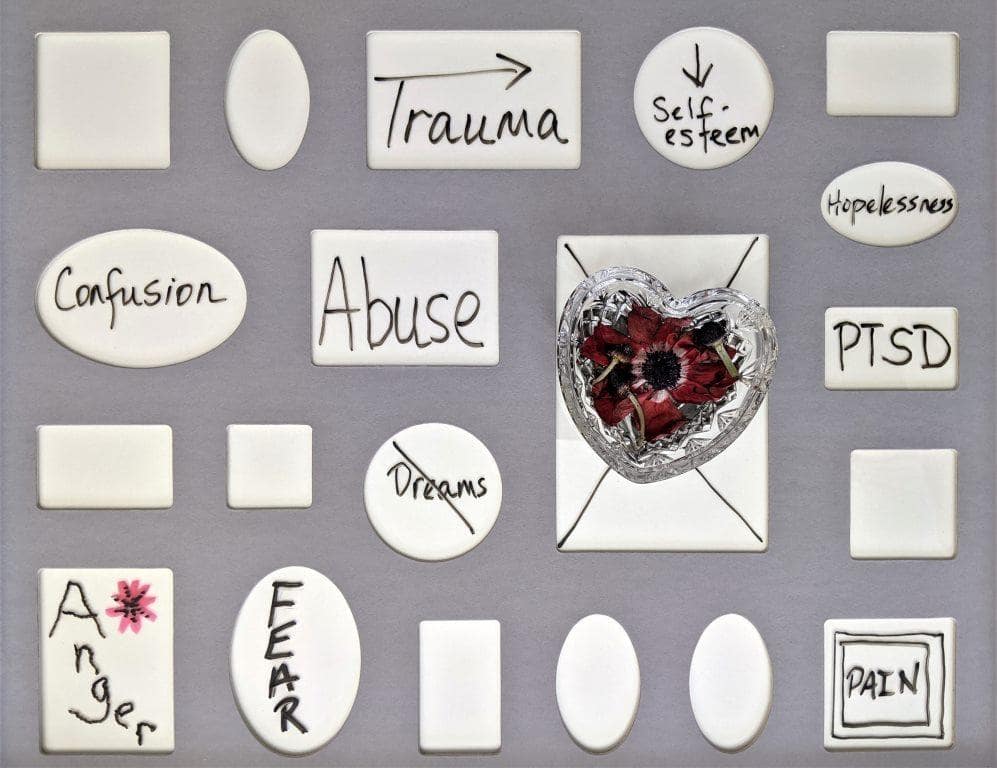
Trauma
If you are experiencing memories of trauma that are so vivid that those events seem to be happening all over again, the trauma needs to be addressed. This is a frightening condition that occurs frequently in victims of abuse, emergency responders such as police officers, paramedics and firefighters and people who have seen or experienced a traumatic event.
Traumatic or dangerous situations trigger fear in almost all of us. The fear manifests as a set of physical symptoms collectively known as the “fight or flight” response. These symptoms, which include an elevated heart rate, increased respiration and a sense of high alertness, are designed to prepare our bodies to either fight the threat or flee from it. It is common for the fear response to linger when the event is over, before starting to subside.
For people undergoing the same, the fear continues long after the event has happened. Many of them experience complete recall of the incident that is triggered by sights, sounds and smells. For example, a survivor of domestic violence might hear her abuser’s favourite song on the radio, and feel the same fear she experienced during the period of abuse.
If you have PTSD, the symptoms you might be experiencing include the following:
- A sense of heightened awareness in situations that don’t call for it
- Fear and anxiety that are disproportionate to the circumstances
- Perfect recall of traumatic events that are triggered by sights, sounds and smells
- Nightmares and flashbacks
- Depression, mood swings and feelings of guilt
- A negative view of the world
- Substance abuse
- Eating or sleeping too much or too little
At PsychCare, we have expertise in Trauma Models to help clients with a history of trauma. Using a gentle approach, we will help you develop ways to manage your triggers so that you feel safe. Once you have mastered some of these methods, we will work with you to change the way in which you process the memory of the trauma.
You are not likely to ever forget the events, but with the help of our compassionate therapists, you can stop those memories from ruling your life. If you are struggling with memories of trauma or abuse, please come and see us so we can help you reclaim your life.
Agoraphobia
If you frequently experience panic attacks in crowds or public places, or when you are away from the safety of your own home, you may be suffering from agoraphobia. This is a panic disorder that can result in people feeling trapped and unable to get to a safe place. Many people with agoraphobia are able to function normally only when they are with a perceived radius of safety. For some, this may be a particular neighbourhood or street; for others, it can be their house or even a single room.
Agoraphobia manifests in different ways from one person to the next. Some general signs to look out for include the following:
- You are afraid of being alone, especially in unfamiliar settings
- You panic when you are among a crowd or in a public place
- You fear places with no quick escape route, such as an elevator, subway train or tunnel
- You are unable to leave your home, even to perform daily living activities like grocery shopping or going to the bank
- You feel helpless and/or excessively dependent on others
- You are afraid of dying

In addition, you may experience physical symptoms, including heart palpitations, chest pain, abdominal cramps, dizziness, sweating and trouble breathing.
How We Can Help
At PsychCare, we follow a compassionate approach to the treatment of this debilitating condition. Because everybody’s experience with agoraphobia is unique, we will formulate a treatment program that is designed just for you, with your individual challenges and needs in mind. With our gentle guidance, you will learn to separate your feelings of fear from the threat of actual danger. As you learn more about your condition, you will discover new ways to deal with the triggers of your anxiety, and the intensity of your fear will begin to gradually decline.
Our goal is for you to be able to enjoy a full and happy life that is free from panic attacks and constant anxiety. If agoraphobia is crippling your mind, please come and see us. With our caring therapists and our calming environment that is conducive to healing, we will help you get started on the path to recovery.

Anger Management
Anger is a basic and necessary human emotion. When managed appropriately, it allows us to protect our personal boundaries and stand up for ourselves in a way that is both respectful and assertive. However, anger management can be a difficult and painful area for some people.
If you think you or a loved one might have a problem with anger, ask yourself the following questions:
- Are my friends and family “walking on eggshells” around me, being excessively careful with their words and actions, out of fear for my angry outbursts?
- Have I been ordered by someone to take anger management classes?
- Has my anger resulted in me physically harming someone or damaging property?
- Does my anger make me feel afraid and out of control?
- Have coworkers or classmates started avoiding me because of my anger?
- Do little things tend to make me feel irrationally angry?
If you have answered “yes” to any of these questions, the approachable and caring staff at PsychCare can help you. Our goal is not to suppress your anger, it is to show you how to express it in ways that are healthy, setting you on a path of better relationships and a deeper sense of self-esteem.
Like all of our services, our anger management treatment intervention is tailored to meet the needs of each unique individual. What works for one person may not work for another, because the root causes of anger vary so widely. Your treatment is likely to involve a combination of the following three elements:
- Managing the symptoms: we will teach you how to better control your anger impulses in the moment, as you feel the anger starting to escalate
- Exploring the cause: we will gently guide you as you explore and resolve the root causes of your anger
- Healthy expression: you will learn new ways of expressing anger in a way that is healthy and non-threatening, enabling you to protect your boundaries assertively while also respecting the boundaries of others
Your path to a happier life can start today. We welcome you to visit our facility and talk to our staff about how we can help you.
Anxiety
You might have an anxiety disorder any of the following statements apply to you:
- You worry excessively about things that are beyond your control
- You suffer from shortness of breath, heart palpitations or uncontrollable trembling or shaking
- You experience hot flashes, chills or sweating that is not associated with physical activity
- You are suffering from digestive problems, such as nausea, vomiting, cramps and diarrhea
- You have dizzy spells
- You have a fear of dying or losing control
- You feel detached from the world around you
- Your anxiety is interfering with your ability to work, attend school or perform daily living activities
- You experience panic attacks that may be accompanied by chest pains

Anxiety is one of the most misunderstood mental health conditions. People who are faced with it are constantly given counterproductive messages like, “You need to pull yourself together” or, “You don’t have anything to be anxious about.” At PsychCare, we understand that anxiety is not as simple as that. While it is true that we all experience some anxiety during times of change or excitement, some individuals suffer from uncontrollable anxiety that affects day-to-day life, has an impact on relationships, and causes physical symptoms.
No one deserves to be crippled by anxiety. At PsychCare, we genuinely care. We can offer you a soothing environment and compassionate, approachable staff who will gently help you manage your anxiety so that you can lead a calmer, happier life.

Bereavement & Loss
One of the most painful human experiences is the loss of somebody we love. Not only do you have to come to terms with the permanent absence of someone who has been an important part of your life, in many cases you have to make logistical changes as well.
In addition, we will help you overcome several misconceptions that surround bereavement and the grieving process. Many well-meaning people will encourage you to take you mind off the person who has passed away, or to protect your children from the realities of loss.
At PsychCare, we recognize that grief is a personal process that is experienced differently by everybody. There is no timetable to bereavement, and there is no “right way” of doing things. We will help you process your grief in a way that makes sense to you. Ultimately, you will arrive at a point where thinking about your deceased loved one will bring you comfort instead of pain.
You do not have to go through this deeply painful process by yourself. At PsychCare, we will gently guide you as you navigate this new phase of your life. We can help you in many ways, including the following:
- We will give you a safe place to talk about the person you have lost and the role they had in your life
- We will give you information about the typical stages of grief, and how widely this varies from one person to the next
- We will show you how you can maintain the space you need to grieve while still accepting support from the people around you
- We will help you find ways to take care of yourself physically and emotionally as you grieve
- We will help you come to terms with unresolved conflicts you had with the person you have lost
- We will provide you with guidance as you care for children who have lost a parent
Confidence Issues
As we go through life, we all experience highs and lows where our confidence is concerned. We feel sure of ourselves when we are doing well financially, when we are engaged in tasks we are good at, and when we are in solid relationships with people we trust. On the other hand, our confidence wavers when we are trying to master a new skill, when we move or change jobs, or if our lives change in any other way.
These far-reaching cn result from mental health conditions such as anxiety and depression, but they can also arise from other things, including the following:
- A history of negative feedback from parents, teachers or caregivers
- Physical, mental or sexual abuse accompanied by the message that you are “not good enough”
- Body image issues arising from social pressure to be “thin and beautiful”
- Experiencing or witnessing trauma, such as military combat or assault
- Job loss, bereavement, relocation and other major life events

Most of the time, we are able to resolve dips in our confidence. But from time to time, every part of an individual’s life is affected by lack of confidence. If you experience this, you may be unable to eat or sleep, and you may start to doubt your ability to perform even the tasks you are best at.
Lack of confidence affects all of us differently. A certain level of anxiety can be expected, and will usually subside as the individual’s confidence is restored. However, if you are suffering from debilitating nervousness, insomnia, bad dreams or nightmares, a sharp decline in self-esteem, or avoidance of activities that you previously enjoyed, you may benefit from talking to one of our counsellors or therapists.
At PsychCare, we genuinely care about our clients. We offer a soothing environment that is conducive to healing, and staff who are kind, approachable and empathetic. We believe that happiness is within everybody’s reach. If low confidence is interfering with your ability to live life to the full, please reach out to us and let us help you.

Social Anxiety
Most people get a little nervous in certain social situations. They might experience sweaty palms right before a job interview, or find that their heart is pounding a little before they deliver a presentation. Even the simple act of meeting somebody for the first time, or going to a party, can generate anxiety in many people.
While this is completely normal, most people are able to adapt. They trust that their preparation for the job interview or presentation will get them through. Or their anxiety starts to drop once they have been at the party for a while or exchanged some pleasantries with the person they have just met.
People with social anxiety experience extreme levels of stress even during everyday interactions. They might find their anxiety skyrocketing in the grocery store checkout line, or when a neighbour drops by unexpectedly. In some people, the symptoms of social anxiety disorder are triggered by a specific incident. In others, it is present all the time, to the extent of preventing the individual’s ability to perform daily tasks, or attend work or school.
If you are not sure whether the social anxiety that you feel falls within the bounds of what is considered normal, ask yourself the following questions:
- Am I afraid of going to meetings or attending gatherings such as religious services?
- Do I make excuses to get out of going to work or school?
- Do I confine myself to my home, where I only have contact with the most trusted people?
- Do I fear the scrutiny or judgment of others?
- When I meet somebody for the first time, do I spend a lot of time afterwards reliving the encounter and trying to assess whether I created a good impression?
- Do I avoid situations where I am likely to be noticed?
- Do social interactions give me palpitations, a tight chest or an upset stomach?
No one is entirely sure why some people suffer from this crippling condition. Although it tends to run in families, this could be a result of genetics or learned behaviour. Other possible risk factors include trauma, such as bullying or abuse, increased social expectations and medical conditions that lead to increased self-consciousness.
At PsychCare, we believe that everybody deserves a life that is free from anxiety. Using a gentle, compassionate approach, we will help you explore and resolve the roots of your social anxiety, so that you can get to a point where you are able to enjoy all of the greatness that life has to offer.
Eating Disorders
Most people associate eating disorders with anorexia nervosa or obesity, but the reality is that there is wide array of eating disorders that affect people from all walks of life. There is no way to tell just by looking at someone whether they have an eating disorder. Many healthy-looking people have unhealthy fixations on food and body image. This often translates into starvation, bingeing, purging, excessive exercise, or a combination of these.
Eating disorders can arise from a number of causes, including the following:
- Harmful social ideals relating to body weight, build and physical appearance
- Fear of regaining weight that has been lost
- Physical, mental or sexual abuse
- Unhappiness at work, home or school
- Frustration resulting from unsuccessful weight loss attempts

As with most conditions, eating disorders vary from person to person. Some common characteristics and symptoms include the following:
- Anorexia Nervosa
- Starvation of the body through severe restriction of calories
- An uncontrollable compulsion to continue losing weight
- Decreased heart rate and blood pressure, eventually leading to heart and brain damage
- Brittleness in the nails and hair, with possible hair loss
- As the condition progresses, the body’s organs begin to shut down, which may result in serious injury or death
- Bulimia
- A repeated cycle of eating large amounts of food (bingeing) followed by forcing the body to expel the food (purging)
- Purging is usually done through vomiting, but some people take laxatives and other drugs that cause diarrhea
- Swelling of the face, jaw and neck can result from frequent vomiting
- Other physical symptoms include tooth decay, heartburn, kidney damage and heart disease
- People with bulimia tend to visit the bathroom frequently, especially after meals
- Binge Eating
- Periods of compulsive eating that continues even when the individual is uncomfortably full
- There is no purging, but the individual may embark on dangerous crash diets
- Binge eating affects people of all body weights
- Orthorexia
- An obsession with food that leads to spending long periods of time planning meals and researching nutritional content
- An inability to eat food simply for the enjoyment of it
- Following regimented eating habits that cannot be accommodated anywhere but in the individual’s own home
- Distancing oneself from friends and family over differences in eating patterns
- A feeling of control that is lost when the individual strays from their diet
No matter which eating disorder you suffer from, we recognize that you may feel too ashamed to seek help. Many people with these conditions have a difficult relationship with food and their own bodies that makes them feel a deep sense of guilt.
At PsychCare, we will help you treat your condition with empathy and understanding, and free from the judgement that you may face in the outside world. We will work with your doctors to ensure your physical health and safety while we explore and resolve the issues that lie beneath your condition.

Relationship Counselling
It has been said that “no man is an island”. Human beings do not exist independently of one another: from a very young age, our lives are defined to a large extent by our relationships with those around us. In fact, research has shown that babies can receive all of the necessities of life, and still die from lack of touch.
As we grow up, our relationships become increasingly complex and more numerous. When most of us begin life, our only significant relationships are with our parents and siblings. Later on, we form relationships with teachers, classmates and sports team members, and ultimately, our romantic connections and spouses, and our own children.
Every relationship is unique, a product of the people who are a part of it. And because no two people have identical sets of beliefs, lifestyles and opinions, struggles are bound to happen. Not only are conflicts inevitable, they are actually a healthy part of most relationships.
The causes of relationship conflicts depend on the nature of the relationship. Grade school children are in a constant power struggle with one another as they learn how to form friendships and become accustomed to new routines. Teenagers clash with their parents over how much independence they should be granted. Married couples experience financial disagreements, mismatched sexual needs, differences of opinion regarding parenting, and much more.
Essentially, a conflict happens when two people have two different opinions about something, and they both believe they are right. This can result in a power struggle, in which both parties fight to defend their point of view, or a situation in which one of both parties come away from the disagreement with something other than what they wanted.
PsychCare can help you and your loved ones get to the root of your difficulties and learn how to solve conflicts without anger and resentment. We will help you acquire a variety of tools and skills that include the following:
- The ability to communicate clearly and non-confrontationally
- Recognition of your own insecurities that arise from fears and past experiences
- The ability to nurture connections with your spouse, children, parents or siblings
- The building of trust
- The ability to express our emotions effectively and set healthy boundaries
- The ability to take responsibility for our actions and choices, leading to greater personal growth
If you are struggling to resolve a conflict or troubled relationship with someone you love, call us today, and let us guide you toward a lasting solution.
Stress Management
Stress is an undeniable part of being human. Every generation since the dawn of time has been faced with stressful situations, and today’s society is no different. We have many things to deal with: long hours, financial stress, the pressure of balancing careers with raising families, all while trying to carve out some time for ourselves.
Not only does stress come hand-in-hand with anxiety and other mental health concerns, it takes a toll on our bodies. It triggers the “fight or flight” response, which elevates our heart rate and blood pressure, makes our skin sweaty or clammy, and may create digestive problems. A general lifestyle of stress frequently results in insomnia, which in turn creates anxiety, leading us into a cycle that is difficult to break.
Contrary to what many people realize, stress can be a positive thing, and frequently it results from positive events. For example, no one can deny that starting a new job or moving to a new house are intensely stressful experiences. But at the same time, they can be exciting.

At PsychCare, we do not merely treat the symptoms of stress. We will not teach you calming techniques and send you on your way. We will take the extra step of helping you discover whether you are subconsciously choosing to immerse yourself in a stressful lifestyle. We believe in providing sustainable long-term solutions, and that means exploring the root causes of your issues.
If you are struggling with stress, whether it is a general lifestyle issue or a result of a major life event, contact us. We here to help you regain a life that is happier and free from crippling anxiety.

Learning Disorders
Learning Disabilities refer to a number of disorders which may affect the acquisition, organization, retention, understanding or use of verbal or nonverbal information. These disorders affect learning in individuals who otherwise demonstrate at least average abilities essential for thinking and/or reasoning. As such, learning disabilities are distinct from global intellectual deficiency. Learning disabilities result from impairments in one or more processes related to perceiving, thinking, remembering or learning. These include but are not limited to: language processing; phonological processing; visual spatial processing; processing speed; memory and attention; and executive functions (e.g., planning and decision-making).
Learning disabilities range in severity and may interfere with the acquisition and use of one or more of the following:
- oral language (e.g. listening, speaking, understanding);
- reading (e.g. decoding, phonetic knowledge, word recognition, comprehension);
- written language (e.g. spelling, written expression and writing fluency); and
- mathematics (e.g. computation, problem solving, number sense and math fact fluency, spatial sense and verbal mediation of math concepts).
Learning disabilities may also involve difficulties with organizational skills, social perception, social interaction and perspective.
At PsychCare, for success of individuals with learning disabilities early identification and interventions are offered. The interventions are appropriate for each individual’s learning disability subtype and, at a minimum, include the provision of:
- specific skill instruction;
- accommodations;
- compensatory strategies; and
- self-advocacy skills.
If you are your child is struggling with LD, whether it is a general academic struggle, focus or concentration issue or unsatisfactory performance in school, contact us. We shall help you regain your performance by providing necessary support.