PsychCare Kids: Where the Journey Began
PsychCare Kids was born out of listening.
Listening to children.
Listening to parents.
And listening to the quiet spaces where struggles often go unnoticed.
As PsychCare’s work with families expanded, one truth became increasingly clear: children do not experience emotional, behavioural, developmental, and learning challenges in isolation. These areas are deeply intertwined, shaping how a child feels, behaves, learns, and grows.
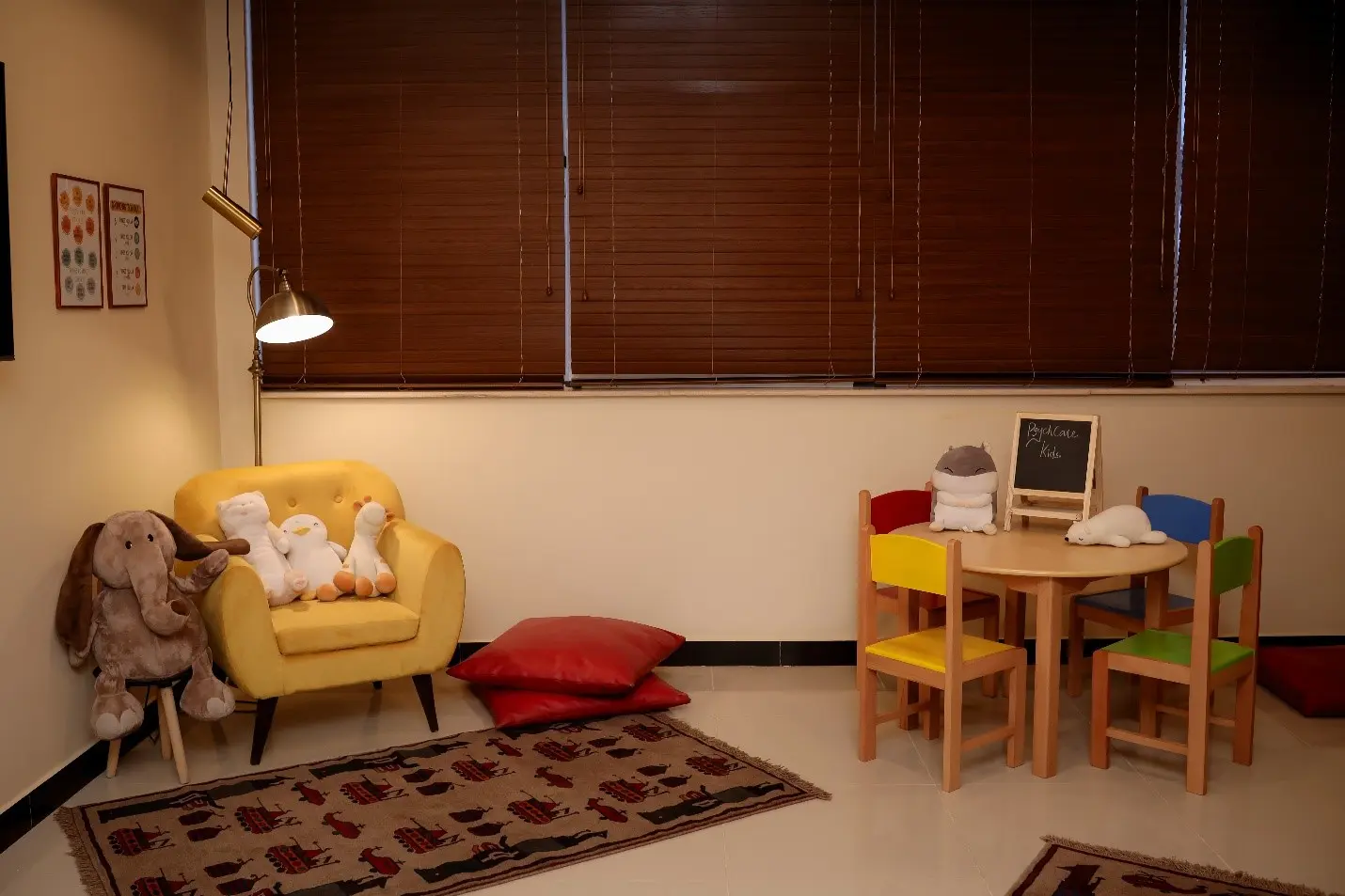
This understanding led to the establishment of PsychCare Kids, a dedicated space created to support the psychological, emotional, behavioural, and developmental needs of children and adolescents in a way that feels safe, thoughtful, and truly child centred.
Here, children are not rushed or labelled.
They are understood.
Through early identification, comprehensive assessment, and individualised intervention, PsychCare Kids supports children facing challenges related to learning, behaviour, emotional regulation, neurodevelopmental differences, and social emotional functioning. Care is delivered through a carefully integrated model that brings together therapy, assessments, parent guidance, and structured intervention programs each tailored to a child’s unique profile.
Working closely with children, families, and schools allowed PsychCare Kids to witness something important, something that could not be ignored.
The Journey Forward
Every child’s journey with us is thoughtfully structured, yet deeply personalised.
Children would make progress in therapy. They would build skills, confidence, emotional awareness, and regulation. Yet many would return to learning environments that could not consistently match their pace, readiness, emotional needs, or learning style.
It was not a lack of effort.
It was a mismatch of systems.
Some children don’t need more pressure, they need more understanding.
PsychCare Kids became the place where these stories converged, where it became clear that support could not end at therapy alone. What children needed was continuity. An environment where emotional safety, learning readiness, and developmental support could coexist—not as separate services, but as a lived experience.
And from this realisation, the next chapter began.
PsychCare Academy emerged but not as a new idea.
It emerged as a natural continuation of a journey that began at PsychCare Kids.
A space where understanding does not stop at assessment.
Where progress does not pause at therapy.
And where children are supported not just to cope, but to grow.
"Every child carries a story. Our role is to listen, understand, and gently guide them forward"
✨ Consultation: The First Step
The journey begins with a comprehensive consultation—a space for parents to speak openly and for children to be gently observed and understood. We take time to learn about the child’s developmental history, emotional world, family dynamics, and school environment.
This initial step helps us decide:
- What the child truly needs
- Whether screening or assessment is required
- How best to support the child moving forward
“Sometimes, what parents need most is clarity. Sometimes, reassurance. Often, both.”
📊 Assessment: Understanding with Care
When required, we guide families through ethical, developmentally appropriate screening and assessment using internationally recognised tools. Assessment is never about labelling—it is about understanding strengths, needs, and the best way forward.
Parents are guided through results in clear, compassionate language, with practical recommendations they can actually use.
“Assessment is not an end point. It is a starting point for informed support.”

🧩 Therapy & Intervention: Growing Together
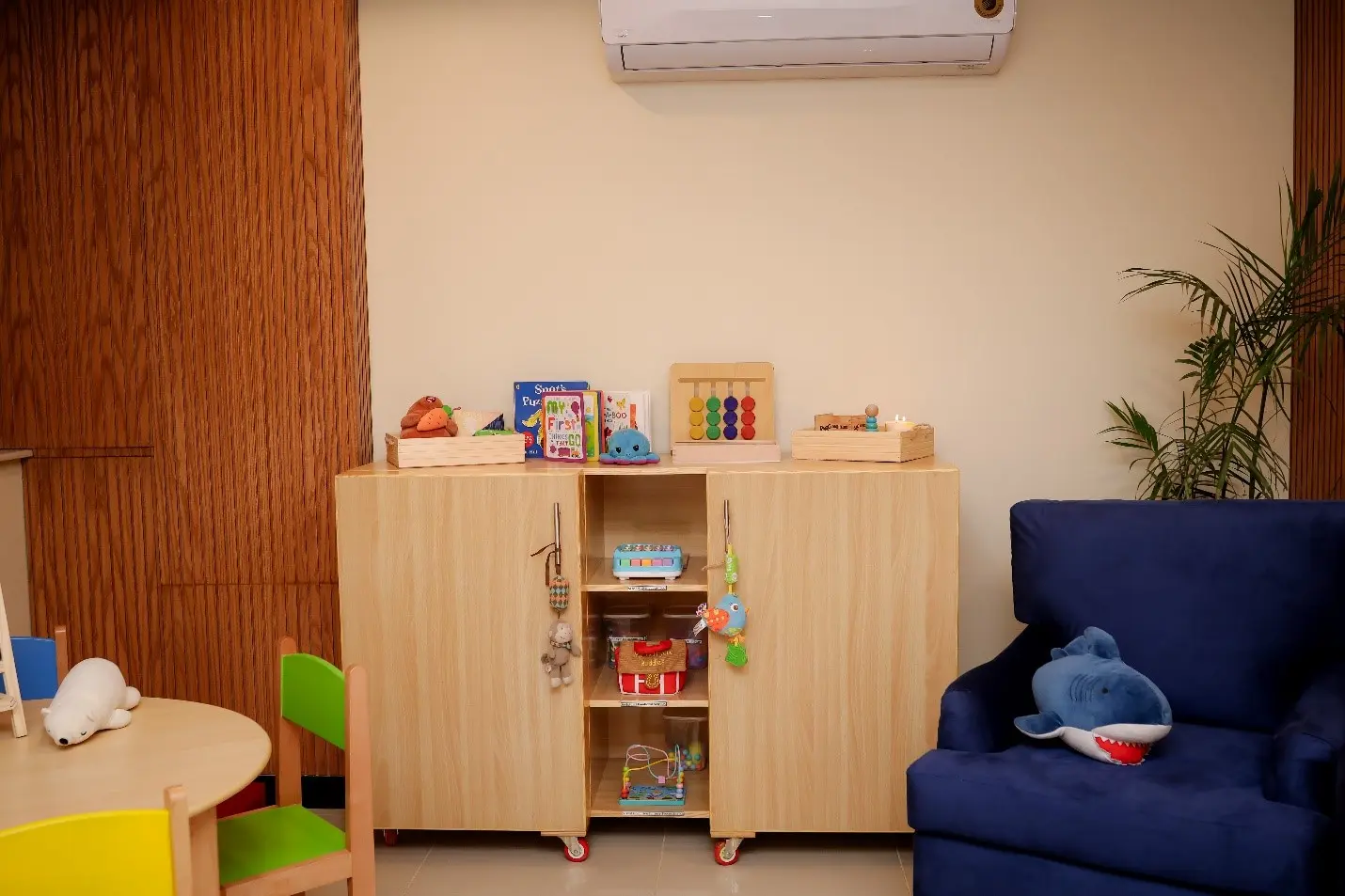
Therapy at PsychCare Kids is child-centred, evidence-based, and emotionally attuned. Every intervention plan is tailored to the child’s unique profile and reviewed regularly as progress unfolds.
We focus not only on reducing difficulties, but on:
- building emotional resilience
- strengthening coping skills
- enhancing confidence and self-worth
- supporting functional independence
Parents and schools remain part of the process, ensuring consistency across environments.