- Have any questions?
- 051 6112414
- 0331 2220247 | 0334 5510161
- info@psychcaretherapy.com


Learned Helplessness: Why People Give Up Too Soon

Unlocking Mental Wellness: The Full Range of Services at PsychCare
June 28, 2025
Screen Time and Emotional Wellbeing in Adolescents
July 25, 2025
What is Learned Helplessness?
Learned helplessness is a psychological concept describing a mental state where individuals, after experiencing repeated uncontrollable negative events, believe they have no control over their situation—even when opportunities to change it exist.
This belief can lead to a lack of motivation, passivity, and feelings of hopelessness, impacting their ability to cope with future challenges.
“Learned helplessness is the giving-up reaction, the quitting response that follows from the belief that whatever you do doesn’t matter.”
— Martin Seligman, Ph.D.
This quote captures the essence of why people stop trying after repeated failure—because they believe effort is pointless.

The 3 P’s of Learned Helplessness
Coined by Martin Seligman, the three P’s of learned helplessness—Permanence, Pervasiveness, and Personalization—help explain how people interpret negative experiences.
1. Permanence
This refers to the belief that negative events will last forever.
Example: A student who fails one test believes they’ll always fail future tests.
2. Pervasiveness
This is the belief that one bad experience affects all areas of life.
Example: Failing at work leads someone to feel like a failure in personal relationships too.
3. Personalization
This is the tendency to blame oneself for negative outcomes, even when external factors play a role.
Example: A student blames themselves entirely for a poor grade, ignoring outside challenges.
Occurrences of Learned Helplessness in Daily Life
Learned helplessness can appear in various environments and isn’t limited to severe trauma. Repeated small failures or prolonged stress can also cause this behavior.
School Settings
Children who repeatedly fail may eventually stop trying altogether.
Example: A child who fails multiple math tests may give up entirely, believing they “just can’t do math.”
Workplace
Employees under constant criticism or denied growth may feel stuck.
Example: An overlooked employee stops participating in meetings or seeking promotions.
Mental Health
People with anxiety, trauma, or depression may lose hope in treatment.
Example: Someone with depression might say, “Therapy doesn’t work for me.”
Toxic Relationships
Victims of emotional or physical abuse may believe escape is impossible.
Example: A person in an abusive relationship thinks, “This is just how life is.”
Poverty & Systemic Oppression
Marginalized individuals facing systemic setbacks may internalize powerlessness.
Example: Constant rejection leads someone from a disadvantaged background to stop applying for jobs.
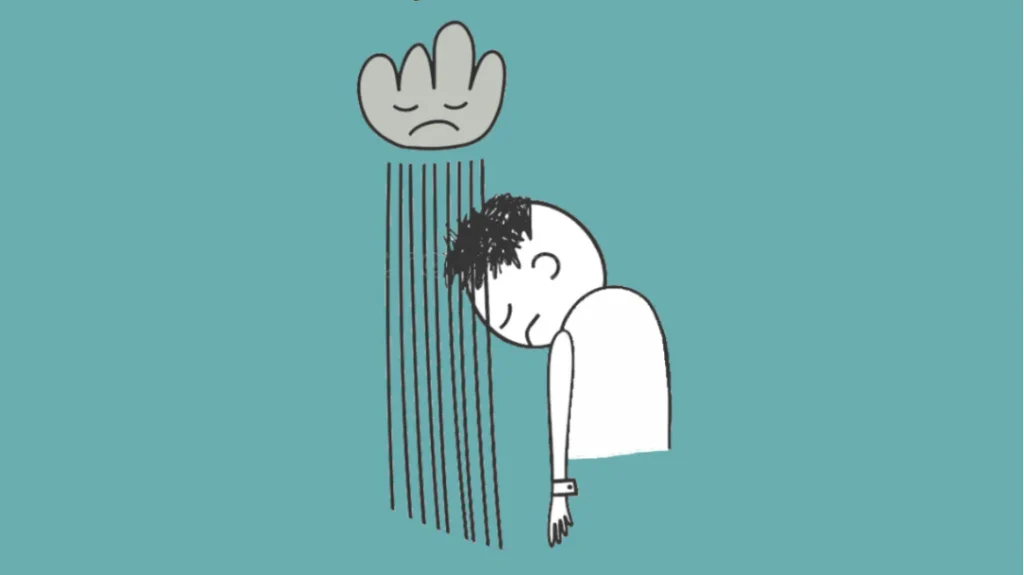
The Brain Science Behind Learned Helplessness
Learned helplessness affects not just thoughts but neurological functions:
- Prefrontal Cortex: Becomes less active, reducing motivation and problem-solving ability.
- Amygdala: Becomes hyperactive, increasing fear responses.
- Hippocampus: May shrink due to chronic stress or depression, reinforcing negative thinking.
Neurotransmitters Involved:
- Serotonin: Low levels contribute to sadness and hopelessness.
- Dopamine: Reduced levels diminish motivation and the ability to experience pleasure.
Repeated failure creates a mental shortcut:
“Why try if nothing ever works?”
This mindset becomes automatic, even in new or potentially positive situations.
Why Do People Give Up Too Soon?
People give up not because they’re lazy or weak, but because their brain has been trained to expect failure. Past setbacks convince them their actions have no value.
This is the core of learned helplessness—believing that nothing they do will ever change the outcome. But that belief can be changed.
History & Psychology of Learned Helplessness
The concept originated from studies by Martin Seligman and Steven Maier in the 1960s.
The Classic Experiment:
Dogs were divided into three groups:
- Control Group – No shock, baseline group.
- Escapable Shock Group – Could stop the shock by pressing a panel.
- Inescapable Shock Group – Had no way to stop the shocks.
Later, when all dogs were placed in a box where they could escape by jumping, only the dogs from the escapable shock group tried. The others didn’t—they had learned to be helpless.
Even when escape was possible, they no longer believed it was.
This experiment was the foundation of the term “learned helplessness.”
How to Overcome Learned Helplessness
Learned helplessness can be unlearned. These proven strategies can help:
1. Cognitive Restructuring
Challenge negative beliefs:
Replace “I always fail” with “This didn’t work, but I can try something else.”
2. Break Tasks into Small Wins
Start with manageable goals to rebuild self-trust.
Write a paragraph instead of a whole essay.
3. Focus on Effort, Not Just Outcome
Celebrate showing up. Progress matters more than perfection.
4. Seek Support
Isolation worsens helplessness. Reach out to:
- Therapists
- Support groups
- Friends or mentors
Cognitive Behavioral Therapy (CBT) is highly effective for this.
5. Practice Self-Compassion
Be kind to yourself. Speak to yourself like you would to a friend.
“You’re trying—and that’s enough right now.”
“When we are no longer able to change a situation, we are challenged to change ourselves.”
— Viktor E. Frankl
Conclusion: You Are Not Helpless
Learned helplessness is not a life sentence. It’s a learned behavior—and it can be unlearned.
If you’ve stopped trying, it doesn’t mean you’ve failed. It means you’ve been trying to survive. But now, with awareness, support, and small steps, you can reclaim your sense of control.
Remember:
- You’re not stuck.
- Trying again isn’t failure—it’s courage.
Even the smallest step forward means progress.
At PsychCare, I’m interning and currently involved in psychological assessments along with some research-related and content creation tasks. It’s a really great opportunity to gain practical knowledge in my field, and I’m enjoying learning new things every day.
(Hafsa Arif)