- Have any questions?
- 051 6112414
- 0331 2220247 | 0334 5510161
- info@psychcaretherapy.com


Debunking the Criminalization of Addiction

It’s Crucial to Take Mental Health Breaks in Today’s World
April 20, 2023
The Week that Made Me Question My Skin Picking Recovery
April 20, 2023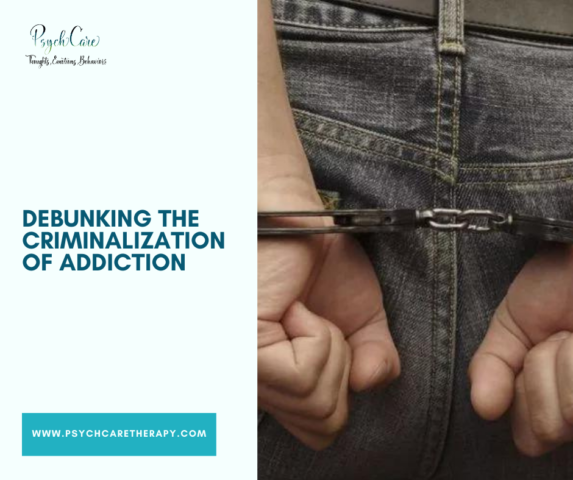
Debunking the Criminalization of Addiction In 1999, when I was in fifth grade, a police officer came to our school dressed in a Drug Abuse Resistance Education (D.A.R.E.) t-shirt. He was carrying a gun and wearing a stern face. Without any words, he communicated that using drugs led to extreme consequences. His lecture taught us that drug addicts deserve to be locked up. But criminalizing addiction turned out to be more hurtful than helpful.
Thirteen years later, in 2012, I was arrested for my first driving under the influence (DUI) charge. Rather than receiving humane, holistic, evidence-based care, I landed behind bars. My biggest fear became my reality. Suddenly, I was the low-life loser my grade school D.A.R.E. officer warned us not to become. Instead of healing, my trauma, shame, and addictions compounded, leading to four more arrests before 2017.
Why Criminalization of Addiction Is Harmful
Debunking the Criminalization of Addiction The biggest myth surrounding addiction is that punishment and criminalization are the answer. The truth is that people have been using substances to alter their state of consciousness for centuries. Drug use is nothing new. However, the criminalization of drug use is only about 50 years old and causes way more harm than is necessary.
The way our criminal justice system treats addiction is nothing more than exploitation and monetization of trauma and pain. People like me use drugs and alcohol as a way to cope. Over time, continued use alters neural pathways in the brain. This rewiring makes it nearly impossible to stop without proper care.1 Addiction is not a choice. No one chooses to be a drug addict when they grow up. Drug users like me are not the horrible immoral people D.A.R.E. officers made us out to be. We are sensitive humans who need love, not stigma. The worst possible way to treat trauma is with handcuffs.
Addiction Isn’t Healed by Criminalization
To heal from addiction, people like me need compassion, not criminalization. We need harm reduction and a safe place to land. We need access to decent housing, employment, public transportation, health and dental insurance coverage, trauma-informed therapy, and community. We deserve fundamental human rights. The only thing a criminal record does is keep people trapped in the cycle of addiction.
In my perfect world, kids would not learn from a gun-carrying man to fear drugs and alcohol. They would learn self-compassion and healthier ways to cope with their emotions. In my perfect world, lawmakers would debunk the myth that addicts deserve to be behind bars.
Courtesy: www.healthyplace.com
Interested In: It’s Crucial to Take Mental Health Breaks in Today’s World