- Have any questions?
- 051 6112414
- 0331 2220247 | 0334 5510161
- info@psychcaretherapy.com


Instagram’s Influence on Teenagers’ Body Image and Self-Perception

Is It Burnout or Depression? Learn the Difference
August 29, 2025
Letting Go Without Suppression: Emotional Acceptance Therapy in Islamabad | PsychCare
October 3, 2025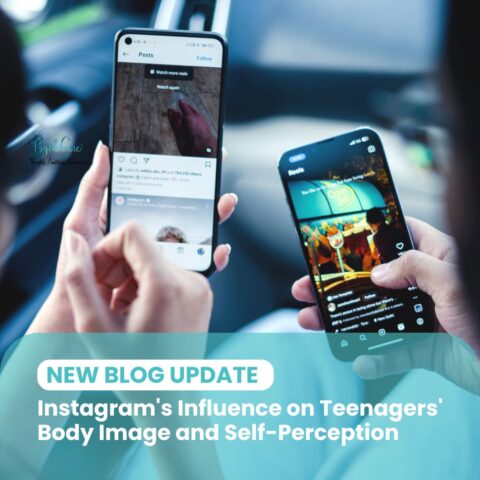
Introduction
In today’s digital era, Instagram has evolved from a simple photo-sharing app into a powerful cultural force that shapes how individuals—especially teenagers—perceive themselves and the world around them. With over two billion monthly users (Dixon, 2024), Instagram dominates the virtual lives of adolescents. For teenagers navigating the complexities of identity, appearance, peer pressure, and social acceptance, Instagram is no longer just entertainment—it has become a mirror, often reflecting distorted and unattainable ideals.
While the platform connects people across cultures and fosters creativity, it also exposes young minds to a constant stream of idealized images. These filtered, curated portrayals of perfection can deeply affect how teenagers evaluate their own worth. This concern has become an increasing focus at mental health centers such as PsychCare, a leading therapy clinic in Islamabad directed by Dr. Semra Salik, one of the best psychologists in Islamabad, who frequently addresses how social media influences adolescent well-being.
The Visual Trap: Instagram’s Aesthetic Pressure
Instagram prioritizes appearance, and for adolescents at a critical stage of identity formation, this pressure can be overwhelming. Influencers and celebrities showcase flawless skin, sculpted physiques, and picture-perfect lifestyles. Teens begin to compare their natural, unfiltered reality to these manufactured digital ideals, often at the cost of their self-esteem.
Self-Discrepancy Theory and Adolescent Vulnerability
According to Self-Discrepancy Theory (Higgins, n.d.), distress occurs when there’s a gap between an individual’s “actual self” and “ideal self.” Instagram amplifies this gap with its curated content. Teenagers, still forming their sense of worth, may experience sadness, anxiety, and lowered confidence when they feel they don’t measure up.
For many clients working with a therapist in Islamabad at PsychCare, this gap often reveals itself in compulsive comparison and dissatisfaction with their appearance or lifestyle.
Social Comparison: The Root of Insecurity
Scrolling through Instagram can become a daily routine of comparison. Research (Cohen, 2018) shows that appearance-focused social media platforms are strongly associated with disordered eating behaviors, particularly among adolescent girls. Each image becomes a yardstick; each “like” becomes a measure of social value.
Passive Consumption vs. Active Engagement
Studies (Pedalino & Camerini, 2022) reveal that passive use of Instagram—endlessly scrolling without interaction—exacerbates poor body image. In contrast, active engagement, such as posting and connecting, can buffer negative effects by providing social support. Parents, educators, and even mental health professionals like Dr. Semra Salik emphasize the importance of guiding teens toward mindful, intentional online behaviors.
Expert Perspectives on Adolescence and Appearance
Harvard researcher Amanda Raffoul notes that teenage girls exposed to more image-based content are more likely to struggle with poor body image. Clinical psychologist Dr. Lauren Mulheim explains that body image is a subjective perception, often distorted when filtered images are mistaken for reality.
At PsychCare, therapy often includes helping adolescents reframe this perception, reinforcing the idea that self-worth goes beyond appearance.
Boys Are Affected Too
Although discussions of body image often focus on girls, boys are not immune. The pressure to attain lean, muscular physiques is growing, driven by fitness culture and influencer content. Research shows dissatisfaction begins shockingly early—sometimes as young as six or seven—and carries long-term effects on confidence and emotional development.
The Paradox of Body Positivity
While Instagram’s body positivity movement is encouraging, it can sometimes backfire. If representation still conforms to conventional beauty norms, comparison persists. True progress requires authentic diversity and unfiltered representation, not just hashtags.
Mental Health Consequences Beyond Appearance
Instagram’s interactive nature makes it more impactful than traditional media. Teens are both observers and performers, seeking validation through likes and comments. This cycle can fuel anxiety, low mood, and disordered behaviors.
Long-term exposure has been linked to depression, social withdrawal, and obsessive self-monitoring. Such patterns often emerge in therapy sessions with adolescents at PsychCare’s therapy clinic in Islamabad, where early intervention proves vital.
Strategies for Mitigation
- Parents and Caregivers – Encourage open dialogue about social media and promote values beyond appearance.
- Educators – Introduce media literacy programs that teach students how to critically evaluate online content.
- Mental Health Professionals – Assess social media use during evaluations and integrate coping strategies. Working with a skilled therapist in Islamabad can help teenagers manage comparison, build self-esteem, and restore balance.
- Social Media Platforms – Promote diversity, transparency, and protective features such as hidden like counts or labels on altered images.
Conclusion
Instagram is a double-edged sword capable of inspiring creativity while also fueling insecurity. Its influence on teenagers’ body image and self-perception is profound and cannot be ignored. Yet, change is possible.
Through awareness, education, and professional guidance, we can help adolescents use Instagram critically and with confidence. At PsychCare, under the leadership of Dr. Semra Salik, therapy programs are tailored to support teenagers in rebuilding a healthier relationship with themselves beyond filters, likes, and comparisons.
It’s time to transform Instagram from a mirror of insecurity into a platform of empowerment. And it starts with giving our youth the tools, guidance, and support they deserve.